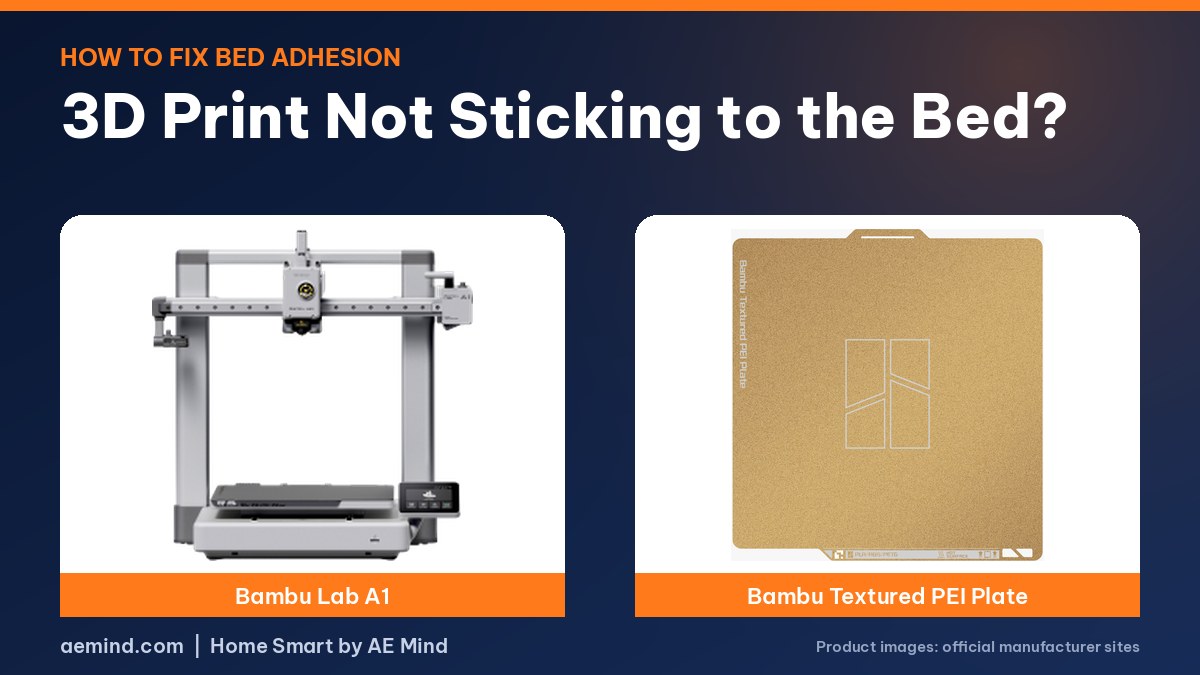
On auto-leveling printers, prints that won’t stick usually point to a dirty plate. Wash it with dish soap and hot water, not just IPA, reviewers and Bambu Lab advise.
 Home Smart by AE Mind
3D printer reviews, comparisons and buyer guides from Home Smart by AE Mind.
On auto-leveling printers, prints that won’t stick usually point to a dirty plate. Wash it with dish soap and hot water, not just IPA, reviewers and Bambu Lab advise.
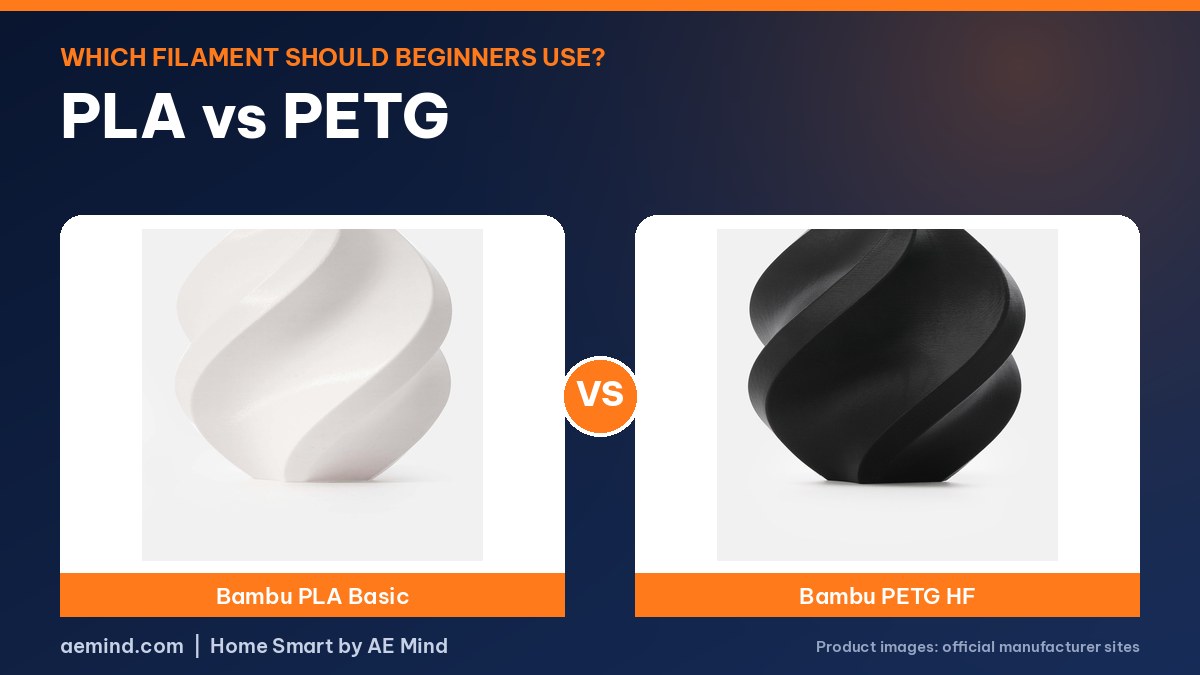
Start with PLA for models, toys and decor; use PETG for outdoor, hot or load-bearing parts. How the two filaments compare, and how to keep them dry.
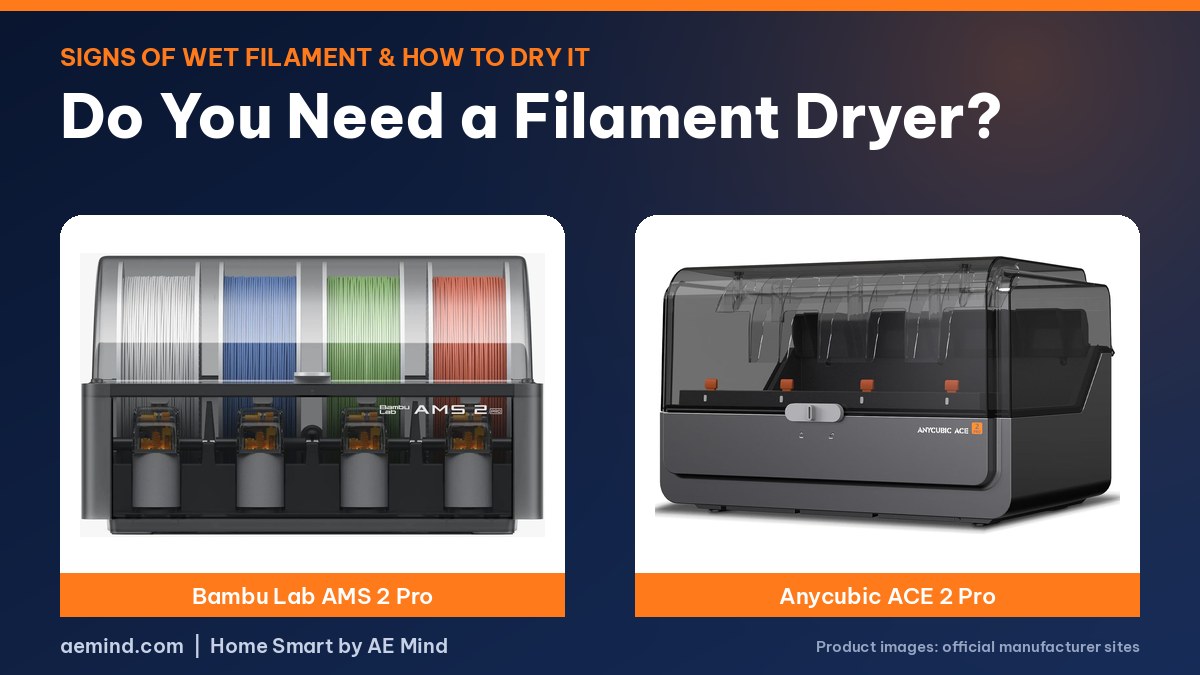
For PETG, TPU, ASA, ABS and nylon, one tester of nine dryers calls a filament dryer basically required. Signs of wet filament, and a free way to dry it on your printer.
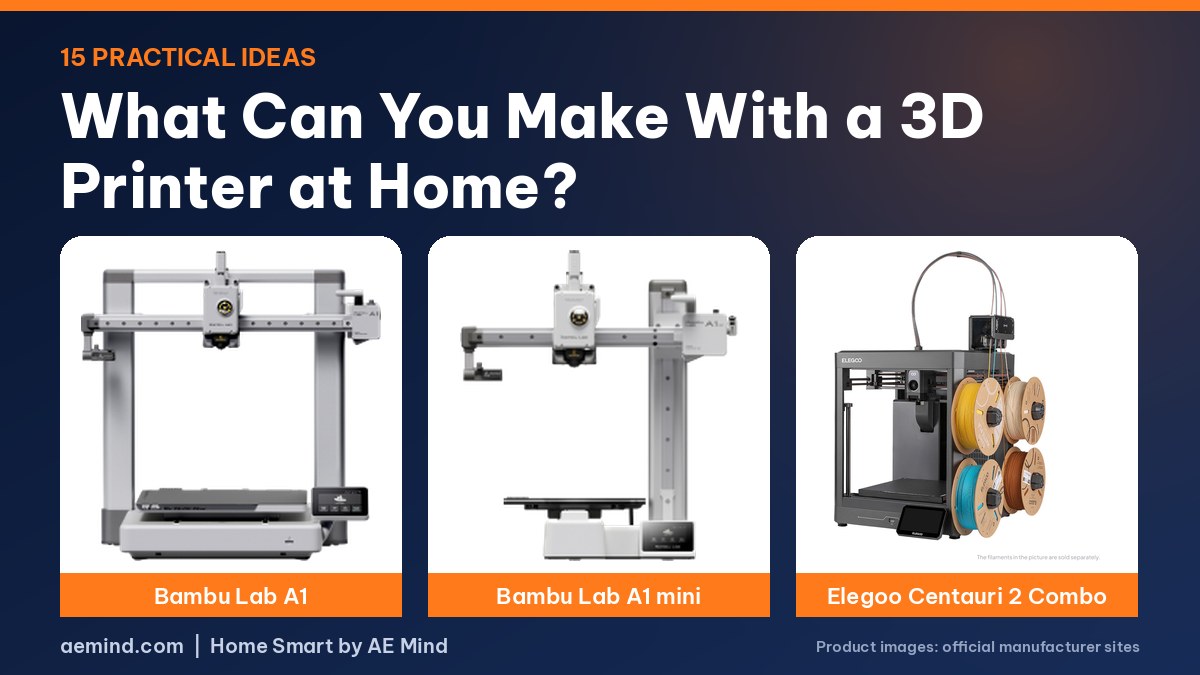
Drawer dividers, cable clips, replacement knobs, planters and toys: 15 practical things you can make with a 3D printer at home, and which printer to start with.
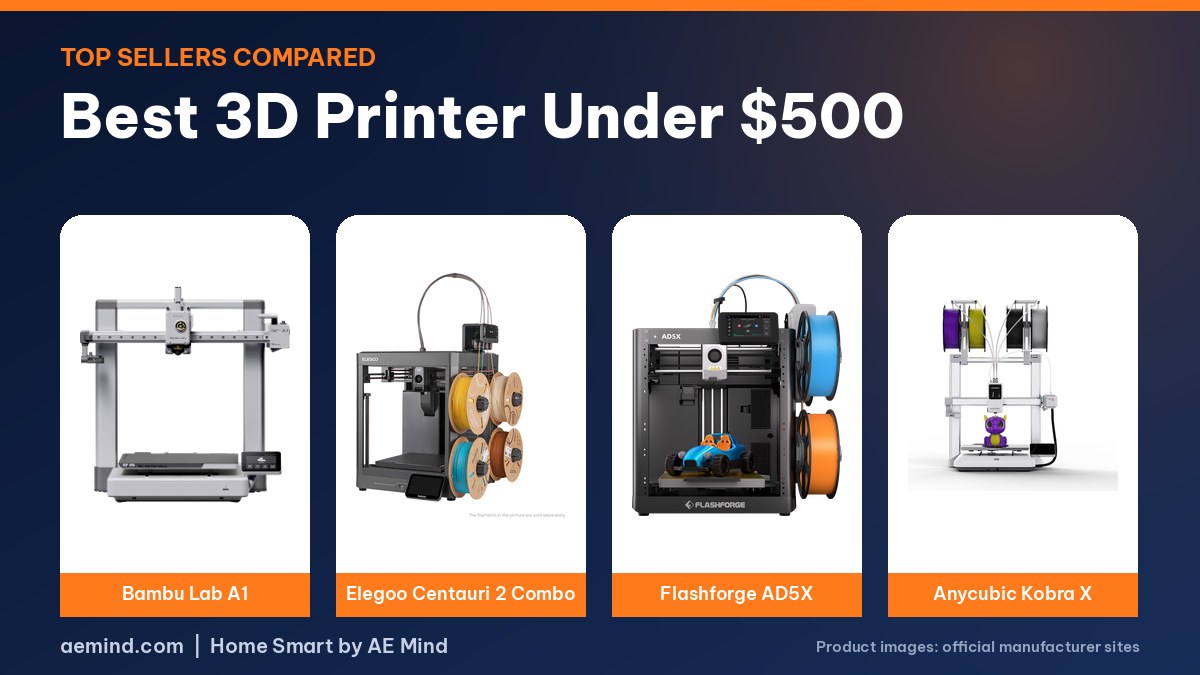
The $299.99 Bambu Lab A1 is the top-ranked printer under $500 on Amazon, and four-color options like the Centauri 2 Combo, AD5X and Kobra X fit the budget too.
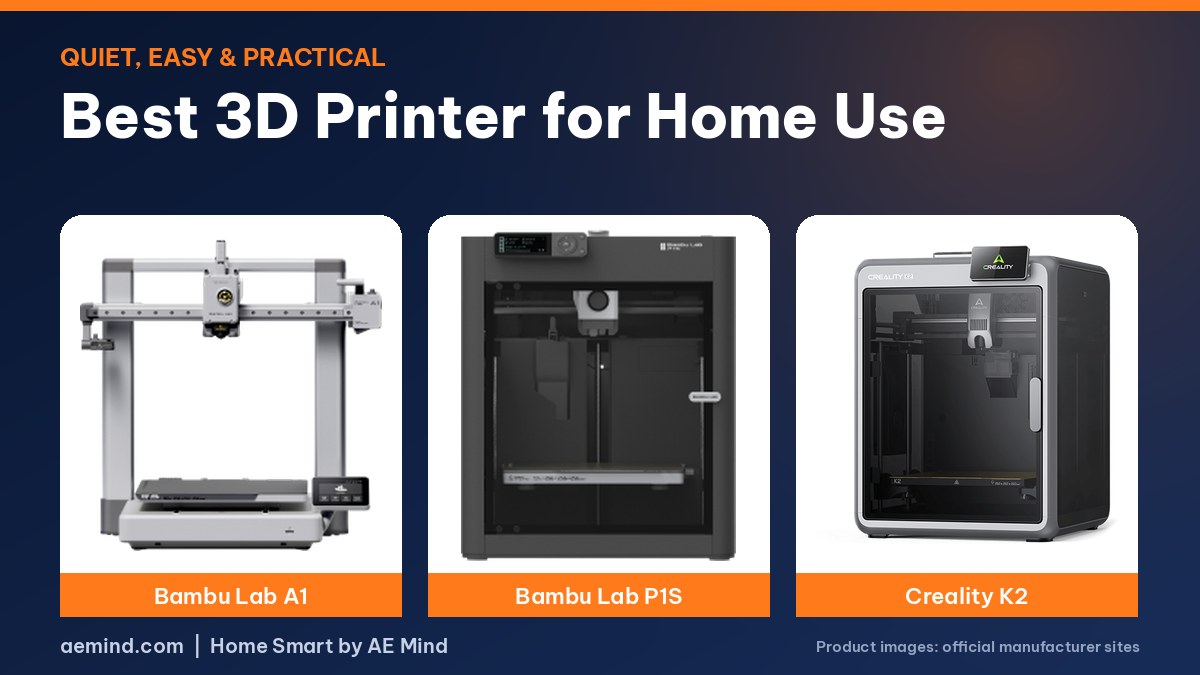
The $299.99 Bambu Lab A1 leads for home use with noise canceling and auto calibration; the P1S Combo is the enclosed pick and the Creality K2 Combo the quiet multicolor pick.
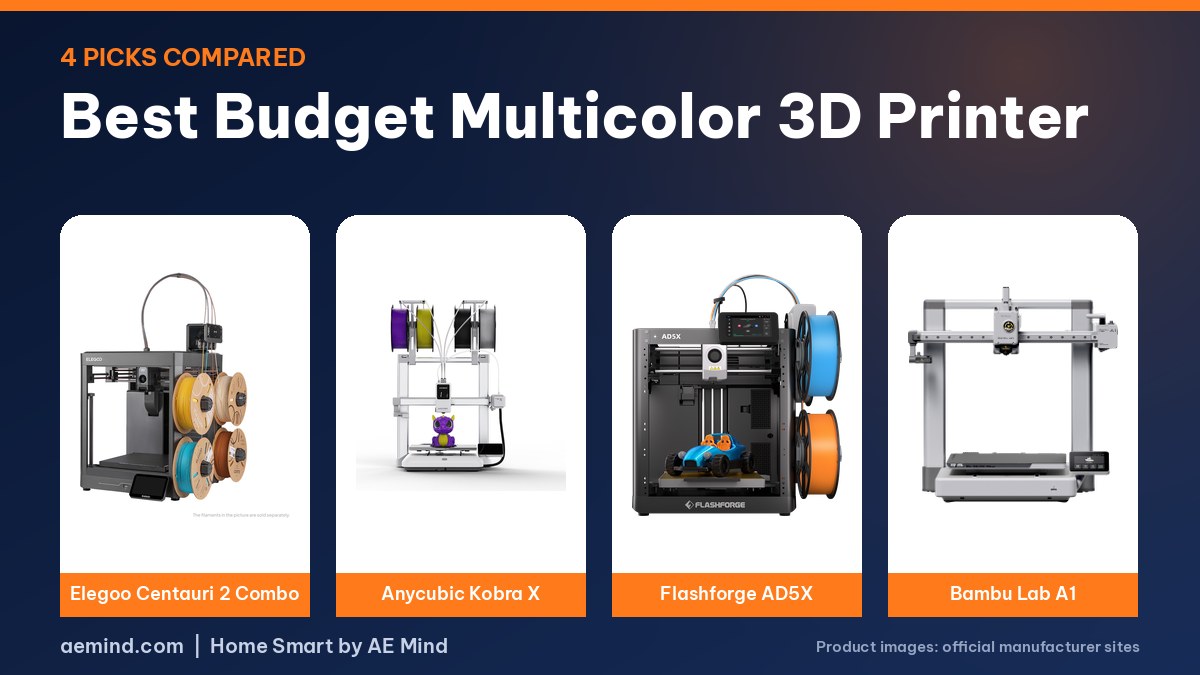
The $328.99 Elegoo Centauri 2 Combo is the best-value budget multicolor printer; the Kobra X is the cheapest with built-in color, and the AD5X wasted less filament than the A1 in one test.
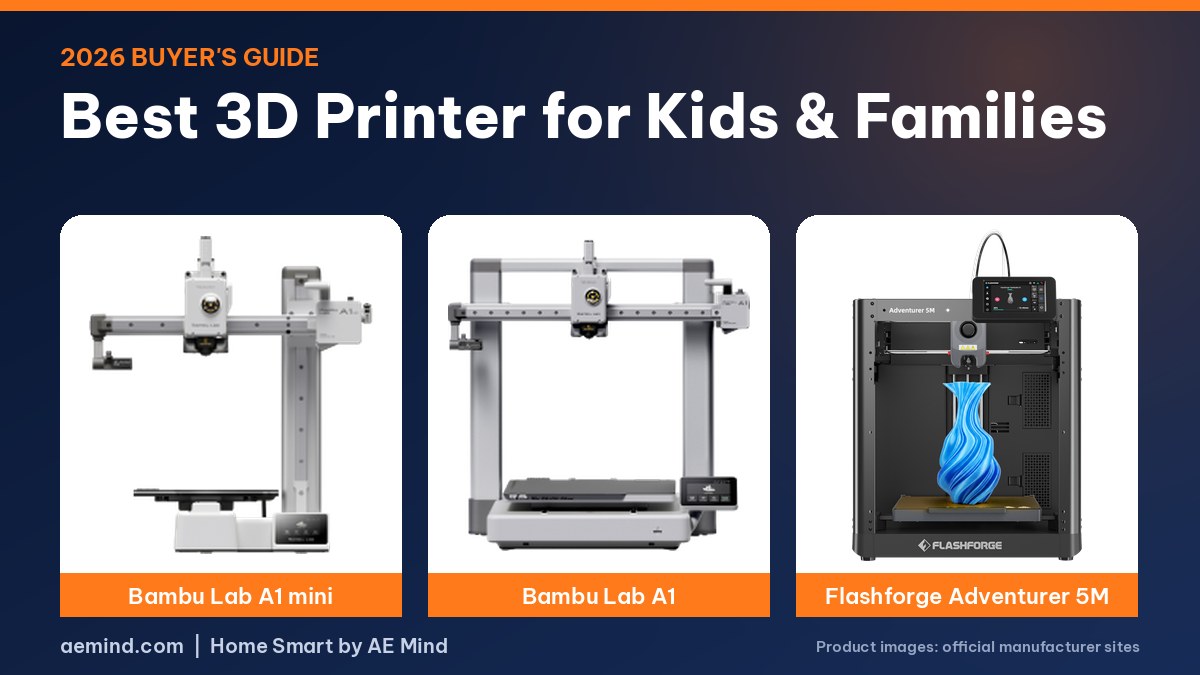
The $249 Bambu Lab A1 mini bundle is the pick for most families, with the A1 for bigger prints and the Flashforge Adventurer 5M as a budget option. Plus safety tips.
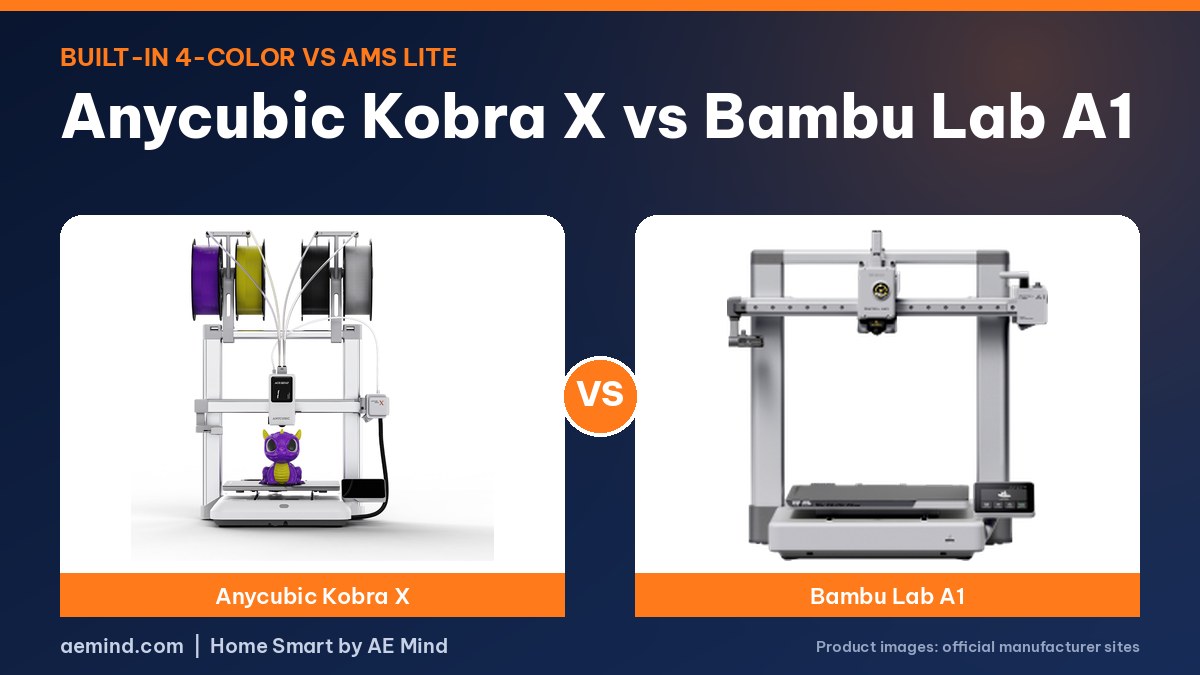
Both cost $299.99, but the Anycubic Kobra X prints four colors out of the box and beat the Bambu Lab A1 by hours in reviewers’ multicolor tests.
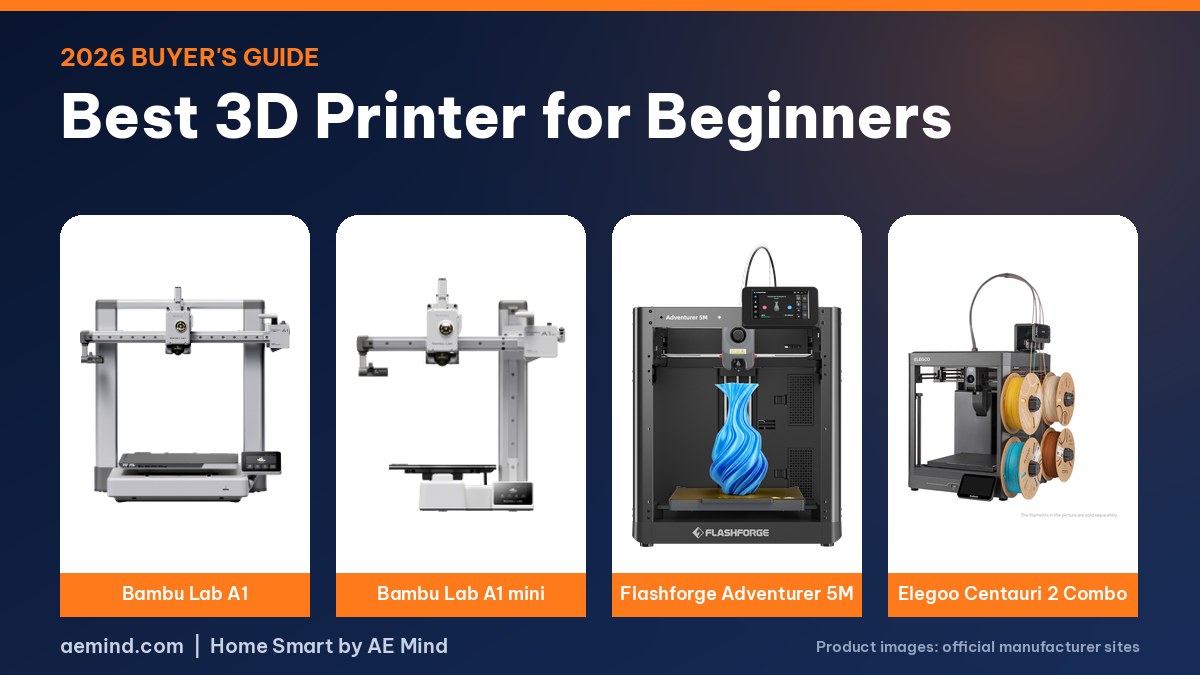
The $299.99 Bambu Lab A1 tops this list of beginner 3D printers for its full-auto calibration and 256 mm build volume, with the A1 mini, Adventurer 5M and Centauri 2 Combo as alternatives.
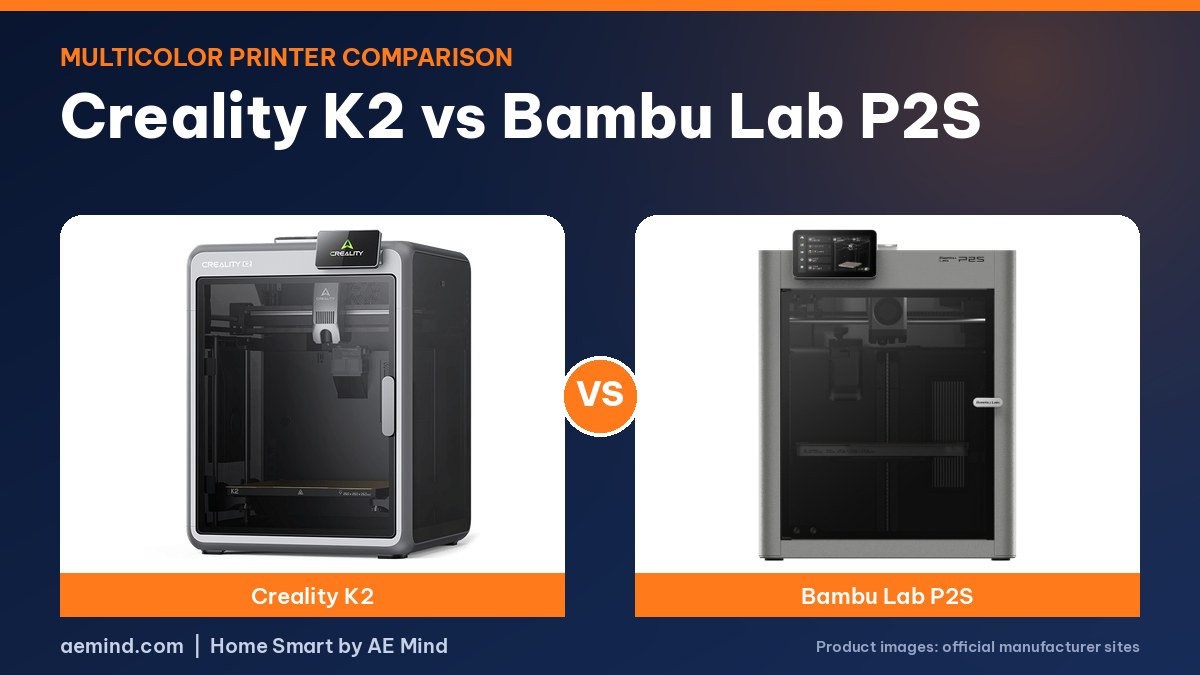
The $549 Creality K2 Combo is the cheaper path to 16 colors; the $779 Bambu Lab P2S Combo adds filament drying and a 50 °C chamber. Specs and reviewer findings compared.
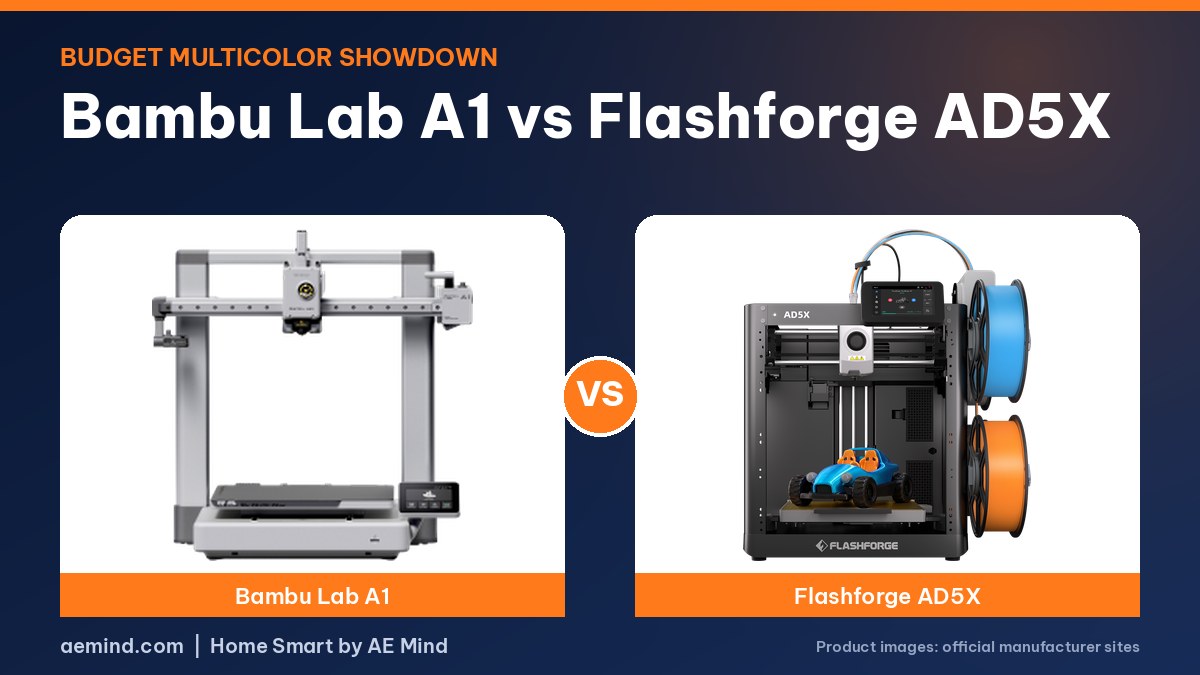
In a side-by-side multicolor test, the $349 Flashforge AD5X wasted less filament and finished faster than the Bambu Lab A1. The A1 still offers the larger build volume.
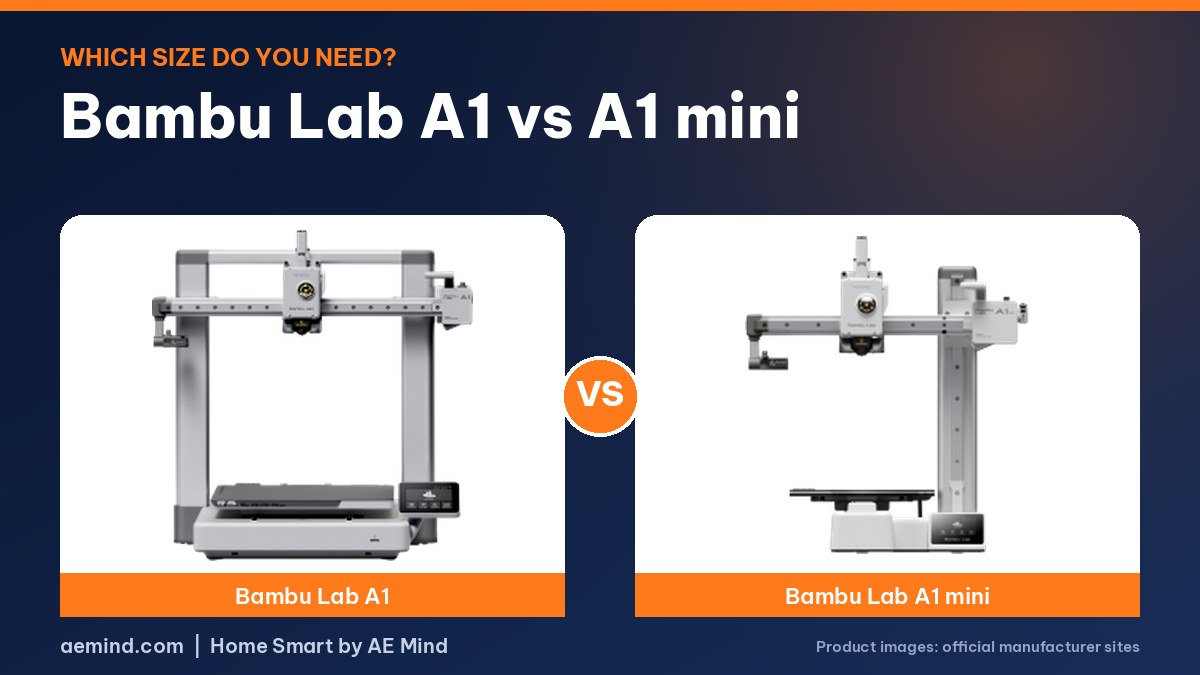
Bambu’s A1 and A1 mini share speed and auto calibration; the difference is a 256 mm vs 180 mm build size. One owner of both says 90% of prints fit the mini.
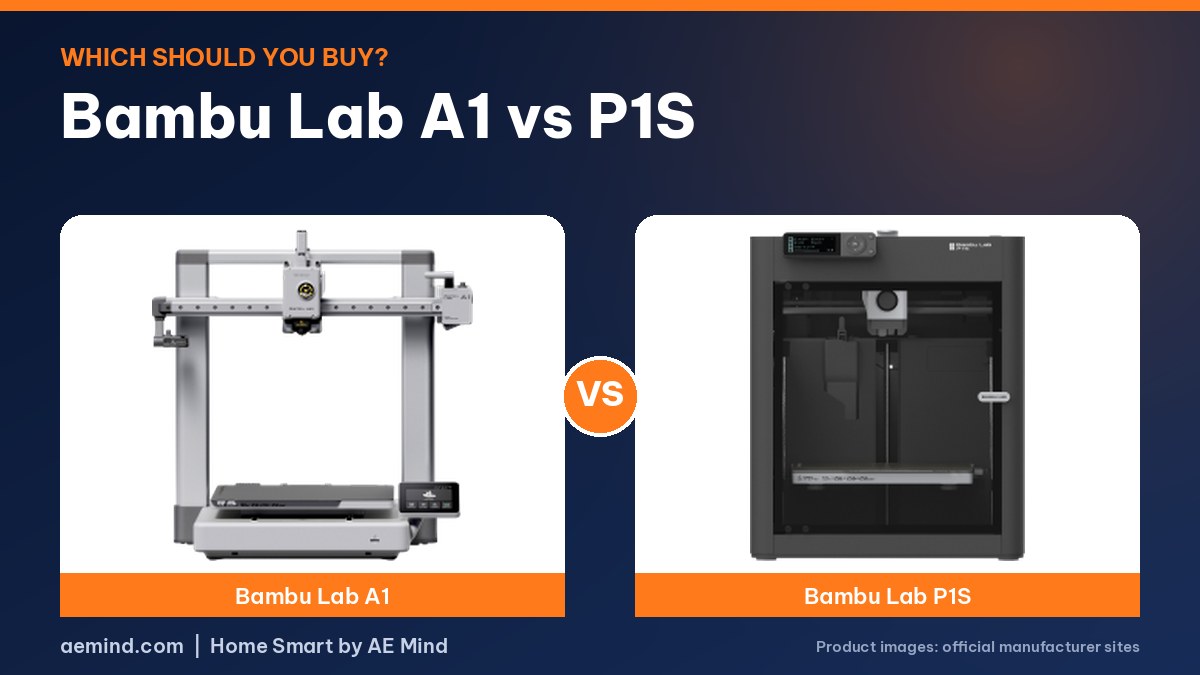
Both print a 256 mm cube. The $299.99 A1 suits beginners printing PLA; the $549 P1S Combo adds an enclosure for ASA and an AMS that holds desiccant.
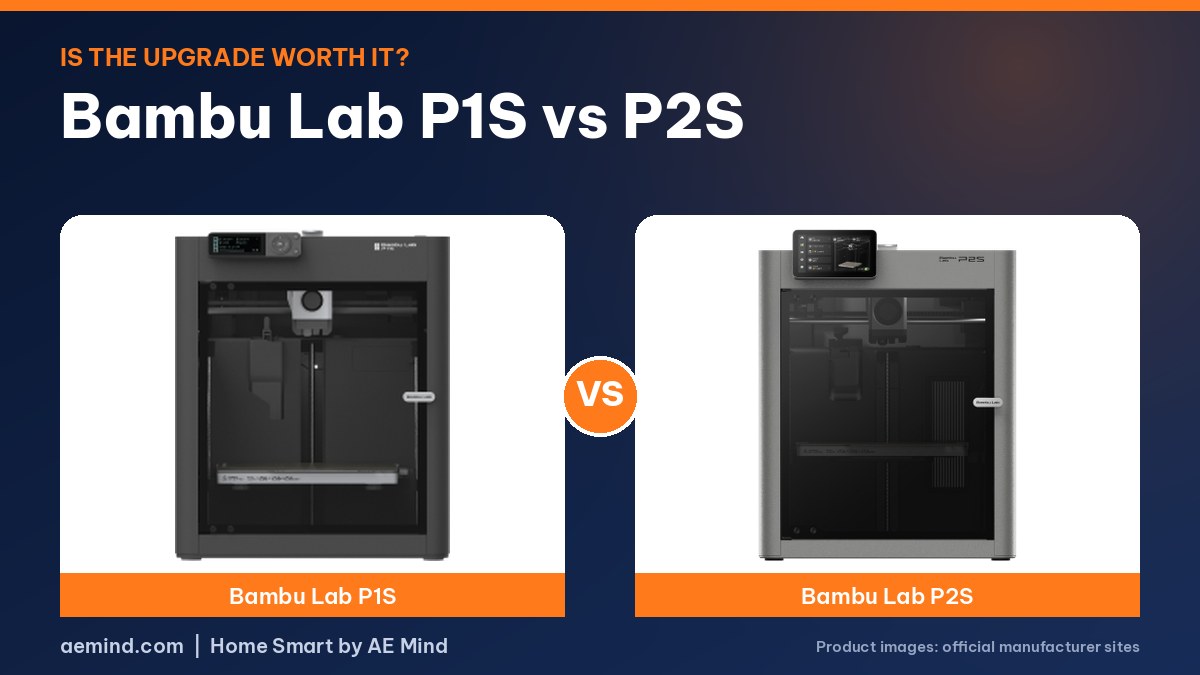
The $779 P2S adds filament drying, a quick-swap nozzle and a better camera. The $549 P1S, Amazon’s #1 3D printer on Oct 16, is still the value pick.
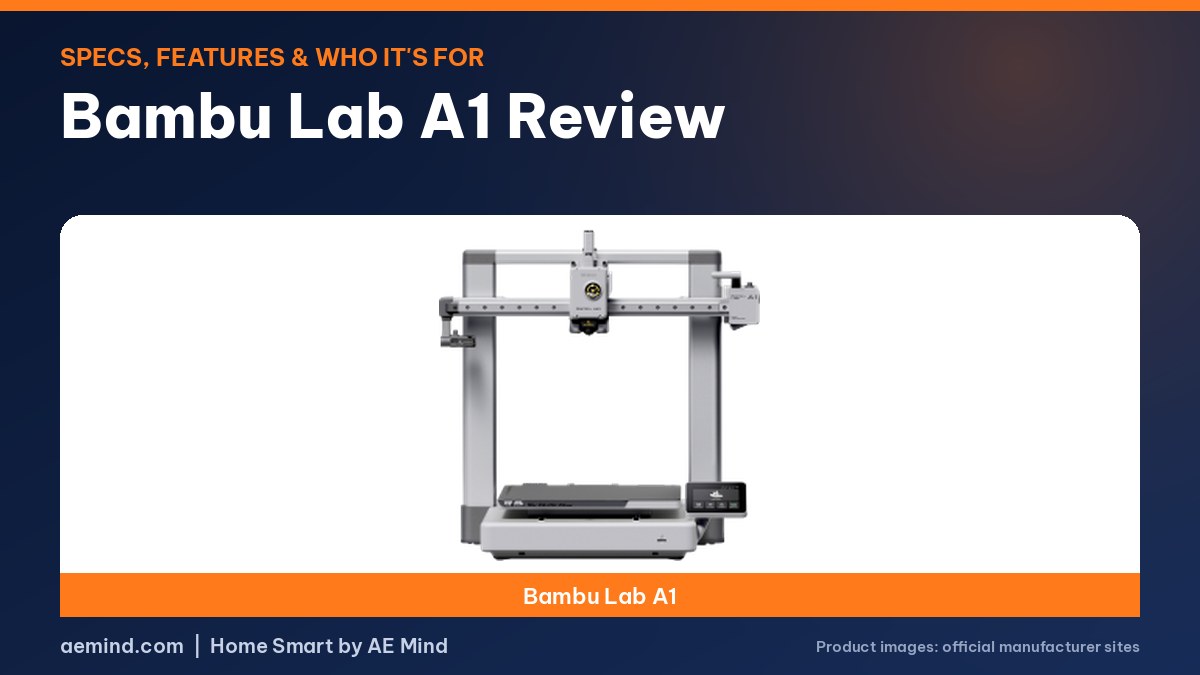
Bambu’s $299.99 A1 matches the build size of its pricier CoreXY printers, and one long-term reviewer found its prints close to the X1 Carbon. Here is what the specs and reviewers show.